


Common Wig Types at a Glance
Lace Front Wig
Closure Wig
Glueless Wig
Bob Wig
Headband Wig
Full Lace Wig
Natural-looking front hairline with flexible styling around the face.
Smaller lace area, easier daily wear, usually more beginner-friendly.
Designed to wear without glue for quicker installation.
Shorter, polished style for easy everyday wear.
No lace needed, easy throw-on-and-go option.
More styling freedom with lace coverage across the cap.


-
Hair Type
Human hair wigs offer a softer feel, more natural movement, and better styling flexibility.
-
Lace Area
Larger lace areas give more styling freedom, while smaller lace areas are easier to manage.
-
Cap Fit
A secure, adjustable cap helps the wig feel more stable during daily wear.
-
Length
Shorter lengths are easier to maintain, while longer lengths create a fuller styling effect.
-
Density
Choose enough fullness without making the wig look bulky or heavy.
-
Color
Natural black and soft brown shades are easier for first-time wig buyers.
Wig Length and Density Guide
Length and density affect how a wig looks, feels, and moves. Straight, wavy, and curly textures can also appear different even when they are the same measured length.
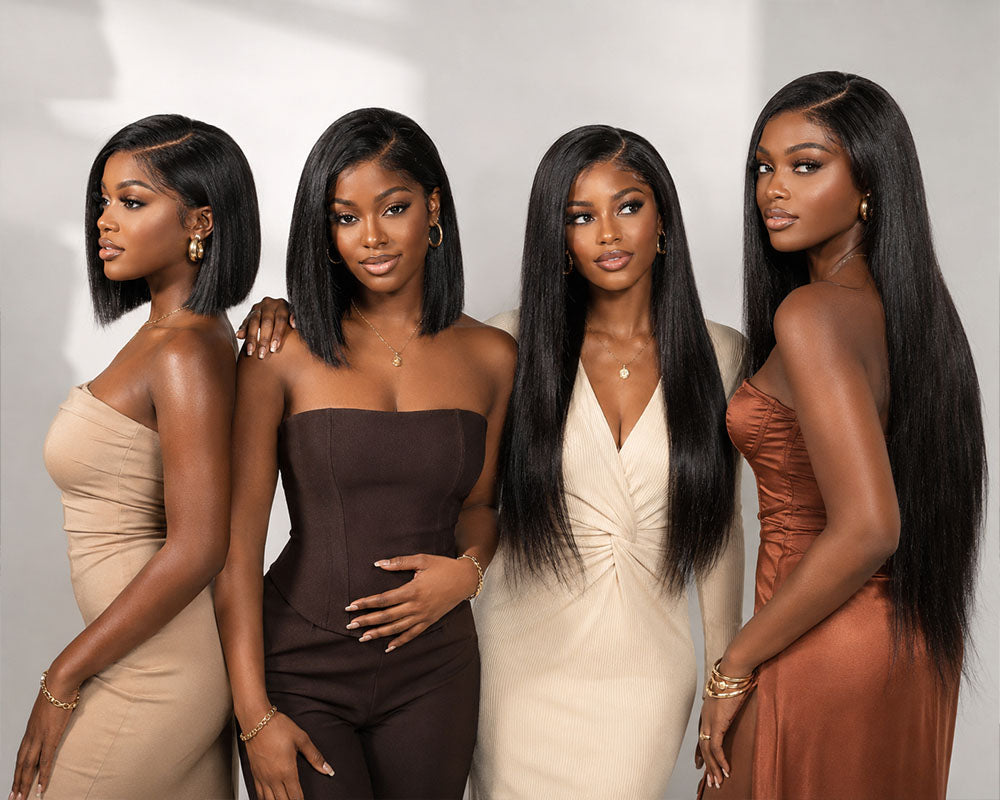
Length Guide
- 8–12 inch:Short / Bob length
- 14–18 inch:Medium everyday length
- 20–24 inch:Long and fuller look
- 26 inch+:Extra long, more dramatic styling
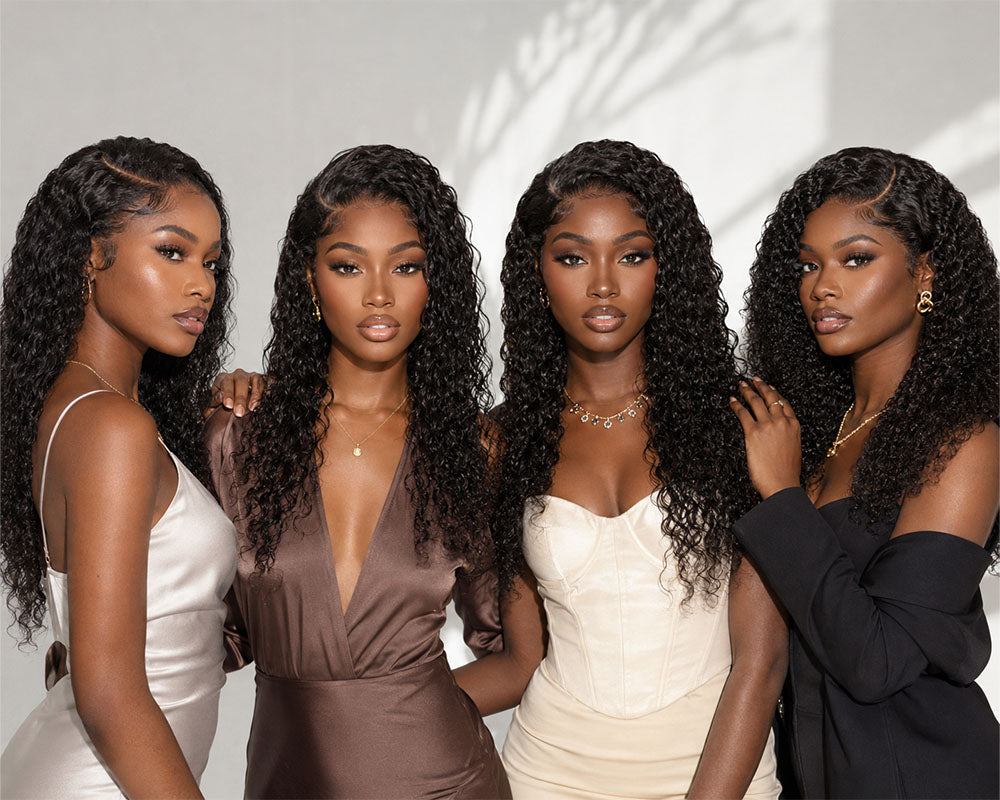
Density Guide
- 150%:Natural everyday fullness
- 180%:Fuller but still wearable
- 200%:More volume and stronger styling effect
- 250%:Very full, bold look
-
Step 1: Prep Your Hair Flatten your natural hair and wear a wig cap if needed.
-
Step 2: Lace Area Align the wig with your natural hairline and adjust the straps for a secure fit.
-
Step 3: Style and Go Smooth the hair, define the parting, and style the front for a natural finish.
What Makes a Wig Look Natural
A natural-looking wig depends on more than hair length or color. The lace, hairline, parting space, density, and cap fit all affect the final result.
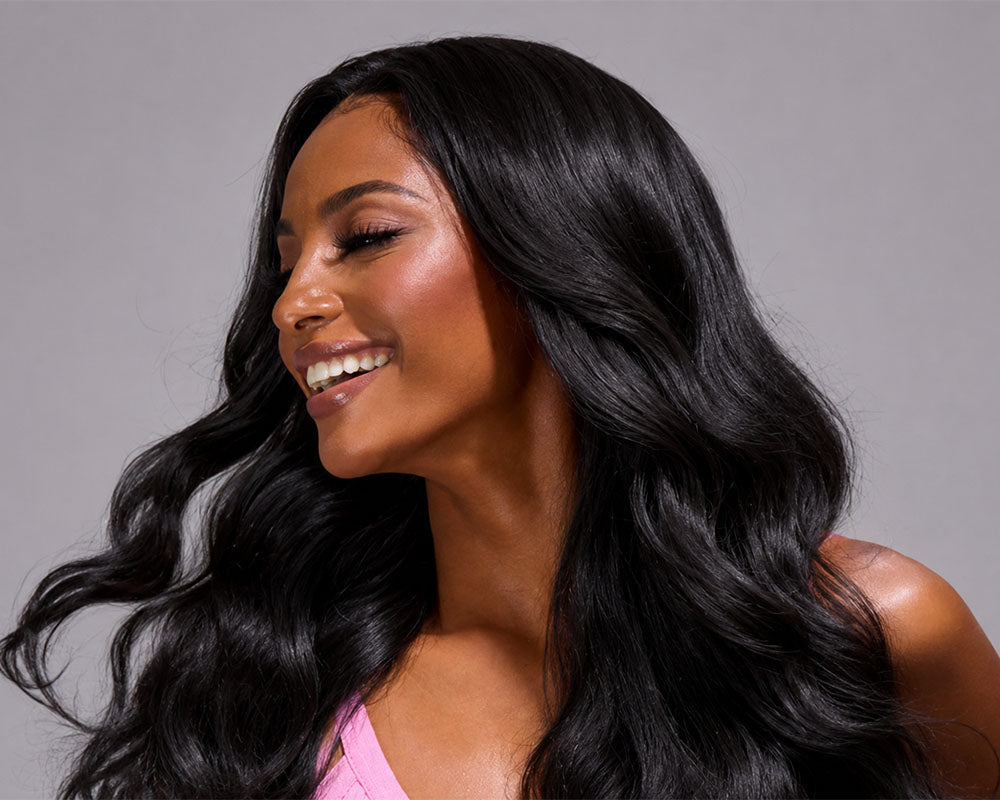
Natural Details to Check
- Soft Hairline: Natural-looking front finish.
- Lace Blend: Thin, flat lace can blend more naturally when matched and worn correctly.
- Clean Parting Space: A visible parting area makes the wig look closer to natural hair.
- Balanced Density: The hair should look full without appearing bulky or overly thick.
- Secure Cap Fit: A stable cap helps the wig sit flatter and feel more comfortable for daily wear.
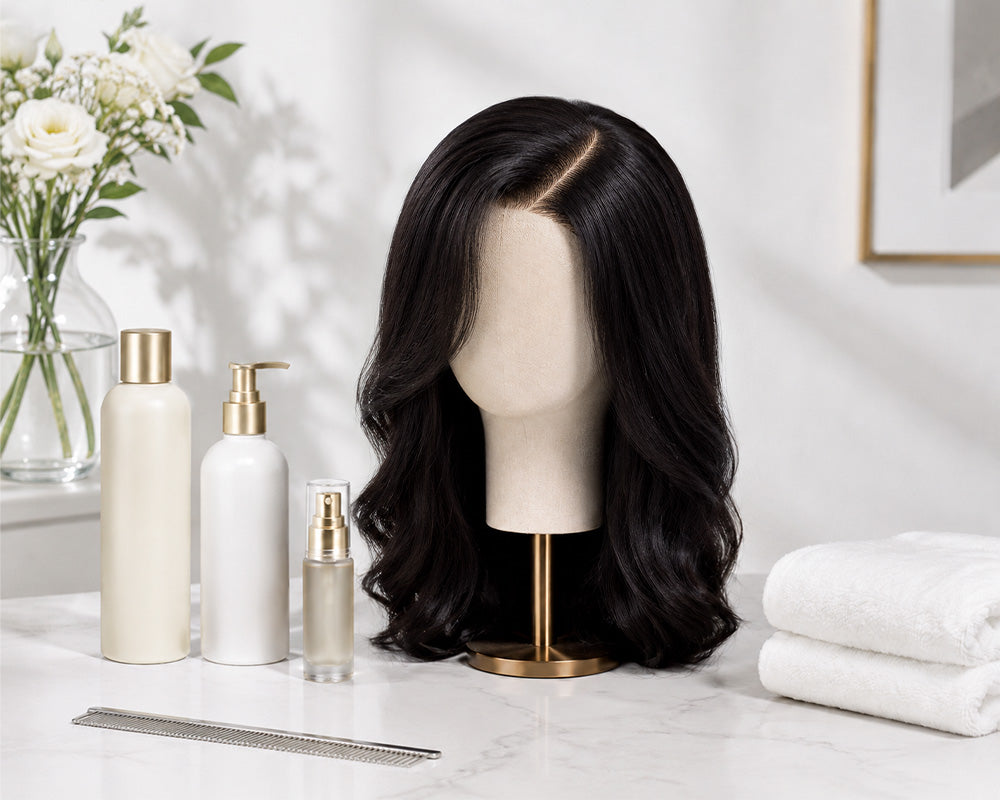
Basic Wig Care Tips
- Detangle before washing
- Use cool or lukewarm water
- Condition from mid-lengths to ends
- Air dry fully before storing
FAQs
What type of wig is best for beginners?
A glueless wig or closure wig is often easier for beginners because it requires less installation work.
Are human hair wigs better than synthetic wigs?
Human hair wigs usually feel more natural, move more realistically, and allow more styling flexibility with proper care.
Can I wear a wig without glue?
Yes. Glueless wigs are designed for a quicker routine without adhesive, depending on the cap structure and fit.
Which wig looks the most natural?
Lace front wigs and HD lace wigs are often chosen for a more natural-looking front hairline.
What wig length should I choose first?
Beginners often start with bob, shoulder-length, or medium lengths because they are easier to manage.
How do I make a wig look less bulky?
Choose balanced density, adjust the cap fit, and style the parting and hairline carefully.
How long can a human hair wig last?
With proper care, a human hair wig can last longer than synthetic options, but lifespan depends on wear frequency and maintenance.
How should I care for my wig?
Detangle gently, wash with mild shampoo, condition the ends, air dry fully, and store it correctly.